A reflection on diplomacy, international business and how relationships are built across Ghana, Kosovo and Ireland.
Over the past week I found myself in three very different rooms — Ghana, Kosovo and Ireland.
Different conversations. Different contexts.
Yet the same underlying question seemed to sit just beneath the surface in all of them:
How do you stay relevant in a more uncertain world?
In each of these environments, the most meaningful exchanges did not take place in formal remarks or on stage.
They happened in between.
What struck me most was not what was said publicly — but how people spoke when the conversation became more informal.
These are conversations between diplomats, business leaders, policymakers and international partners — often shaping international business, partnerships and cross-border collaboration.
Where perspectives are tested, relationships are strengthened, and where the early signals of future collaboration often emerge.
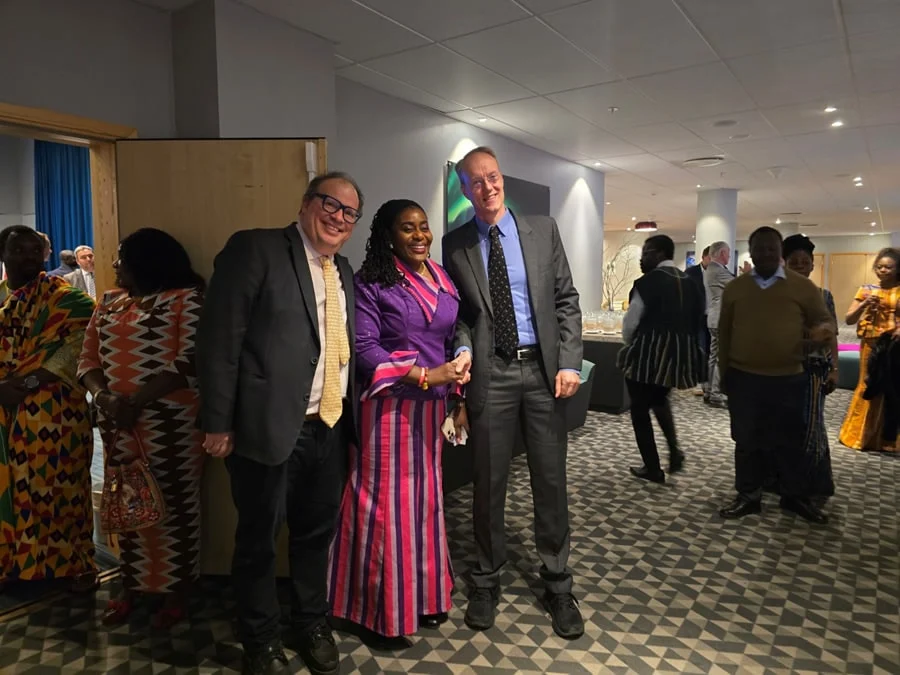
Ghana — Stability and Long-Term Engagement
Ghana is widely seen as one of West Africa’s more stable democracies, combined with an increasingly outward-looking approach to partnerships and development. In a region where the geopolitical landscape can shift quickly, that continuity carries weight.
It creates a foundation for long-term engagement — not only politically, but also commercially and institutionally.
At the same time, there is a growing focus — echoed in conversations — on inclusive growth, opportunity, and how economic development connects with broader social progress.
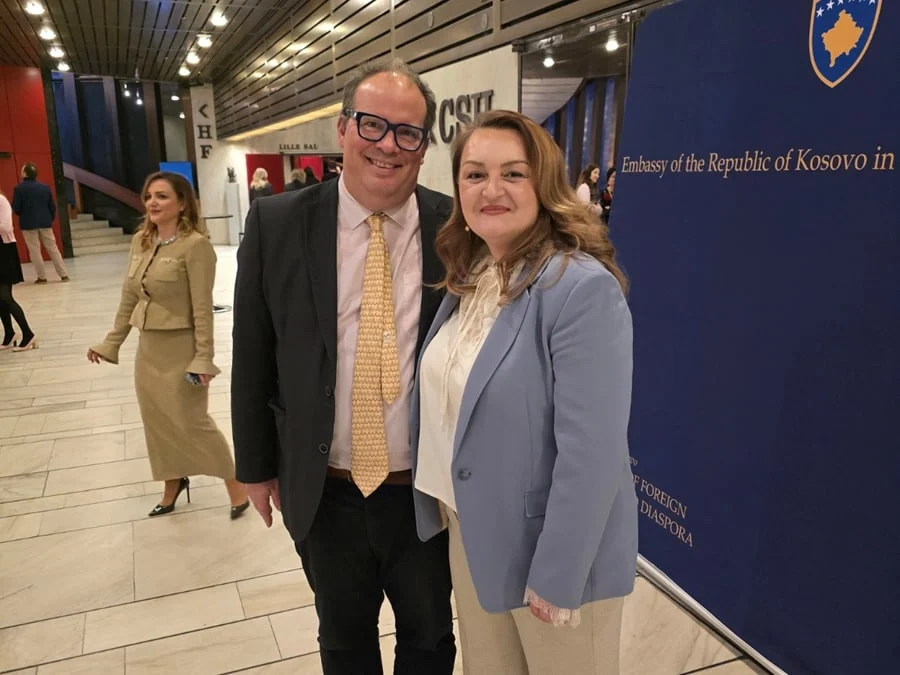
Kosovo — Consistency and International Positioning
Kosovo represents a different, but equally important dynamic. As a young country continuing to shape its place internationally, there is a clear emphasis on engagement, dialogue and presence.
Progress here is not defined by speed, but by consistency.
Every interaction contributes to a broader effort: strengthening partnerships, deepening cooperation, and continuing to position itself within a wider European and international framework.
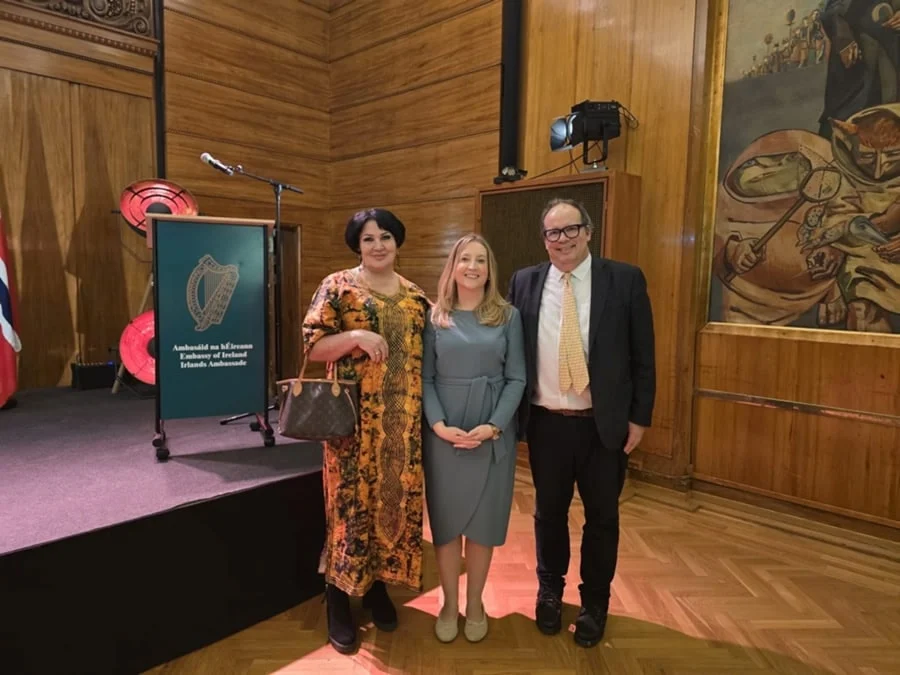
Ireland — Where Business and Diplomacy Meet
Ireland, as always, demonstrates how effectively relationships can be created when people are brought together in the right setting.
There is a certain consistency in how Ireland approaches this — not only through formal channels, but in how it creates environments where meaningful interaction happens naturally.
St. Patrick’s Day has evolved into something far beyond a national celebration. It has become a global platform — one where culture, business and diplomacy intersect in a way that feels both structured and effortless.
What stands out is not only the scale, but the quality of engagement — and the ease with which meaningful connections are formed across sectors and countries.
None of this is new.
But it feels increasingly relevant.
In a more complex and, at times, fragmented global environment, the ability to remain connected across borders is no longer optional — it is fundamental.
At the same time, these conversations take place against a more serious backdrop. Ongoing conflicts and geopolitical tensions continue to shape how countries engage, prioritise partnerships, and think about stability.
What stood out most across all three settings is how much still begins here.
- Not in formal decisions, but in dialogue.
- Not in announcements, but in trust.
- Not in structured agendas, but in the space between them.
And perhaps that is the constant:
Progress rarely begins where decisions are made.
It begins where trust is built.
I consider it a privilege to be part of these conversations and to continue learning from the perspectives they bring together.More reflections on international business, partnerships and geopolitics:
https://robertschur.com/insights/Robert Schur