A short reflection on mastery, discipline and what it actually takes to become exceptional.
Most people like the idea of being good at something.
Very few understand what it actually takes.
Over the years, I’ve spent a lot of time in rooms where people talk about growth, ambition and success.
Most of it sounds good.
Some of it is even true.
And some of it sounds like it was built entirely to fit into a slide.
Every now and then, though, you come across something that feels different — not because it’s impressive, but because it’s honest.
That was my impression spending time with Vladimir Pak.
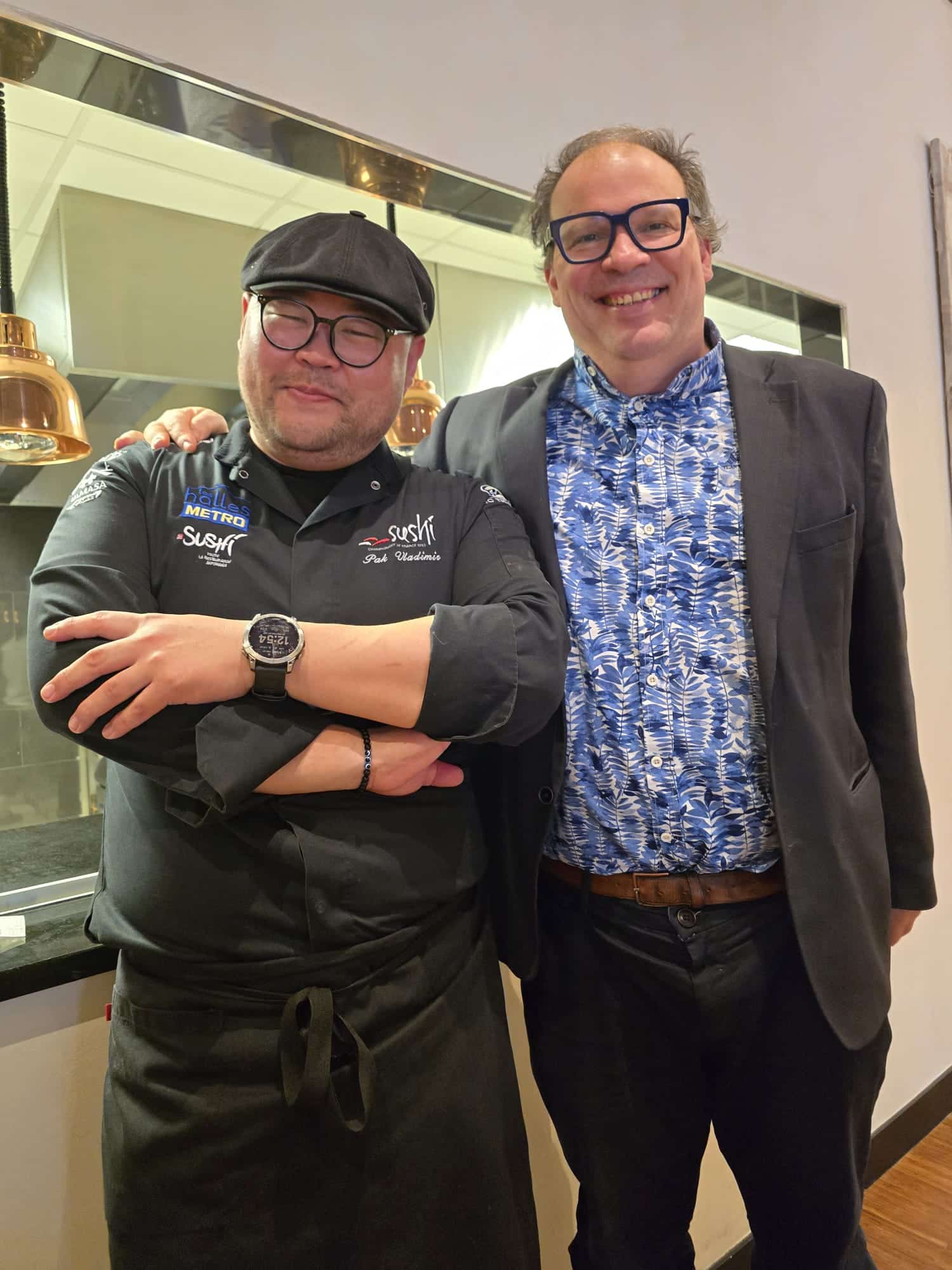
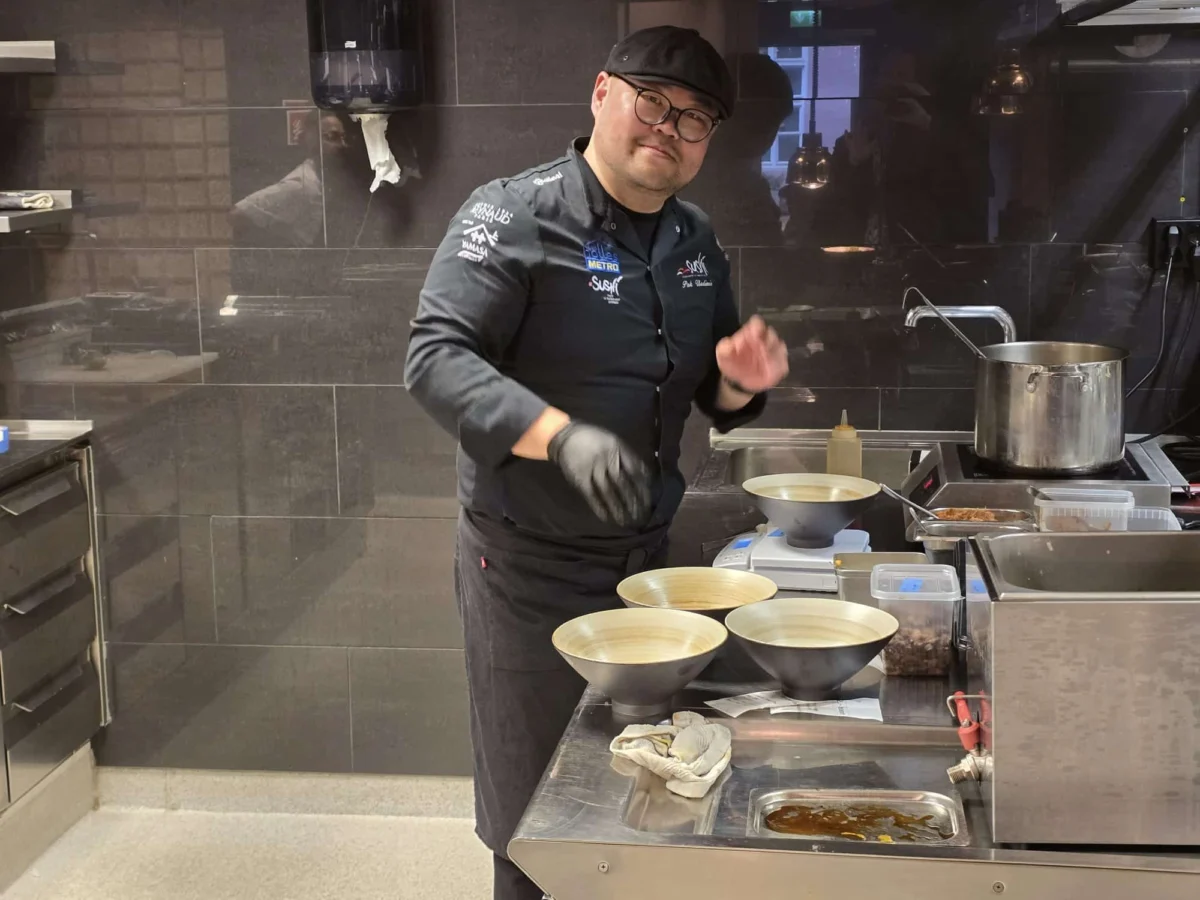
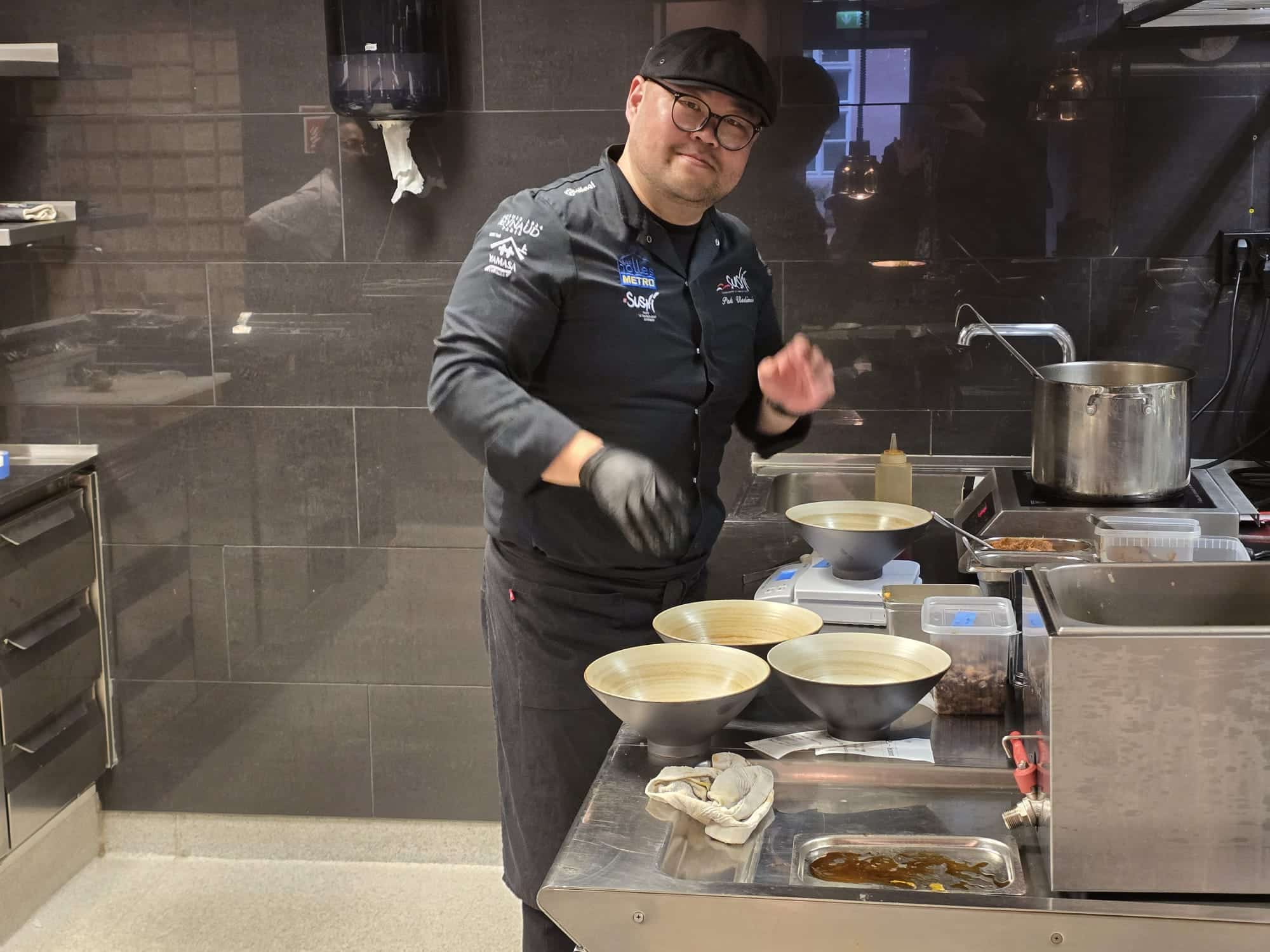
Vladimir is a Michelin-starred sushi chef based in Oslo, known for his mastery of traditional Edomae-style sushi. He gained international recognition after winning the World Sushi Cup in Tokyo in 2017 and now serves as head chef at the World Sushi Skills Institute, as well as a goodwill ambassador for Japanese cuisine in Norway.
I once tried making sushi to impress him.
He rated it “edible.”
I took that as a win.
At one point, he told me something that stuck.
To get to where he is today, he spent four years doing one thing:
Making rice.
That was his job.
Four years. Rice.
Not plating.
Not creating.
Not being “the chef.”
Just the same thing — every day — done properly.
Which is probably not the part people imagine when they say they want to be “world class.”
And yet — that’s exactly where it starts.
And that’s the part most people don’t talk about.
Most people like the idea of being good at something.
But we tend to imagine the interesting parts:
• the recognition
• the visible skill
• the moment where it all comes together
What we don’t picture is:
• the repetition
• the discipline
• the parts that feel slow, almost boring
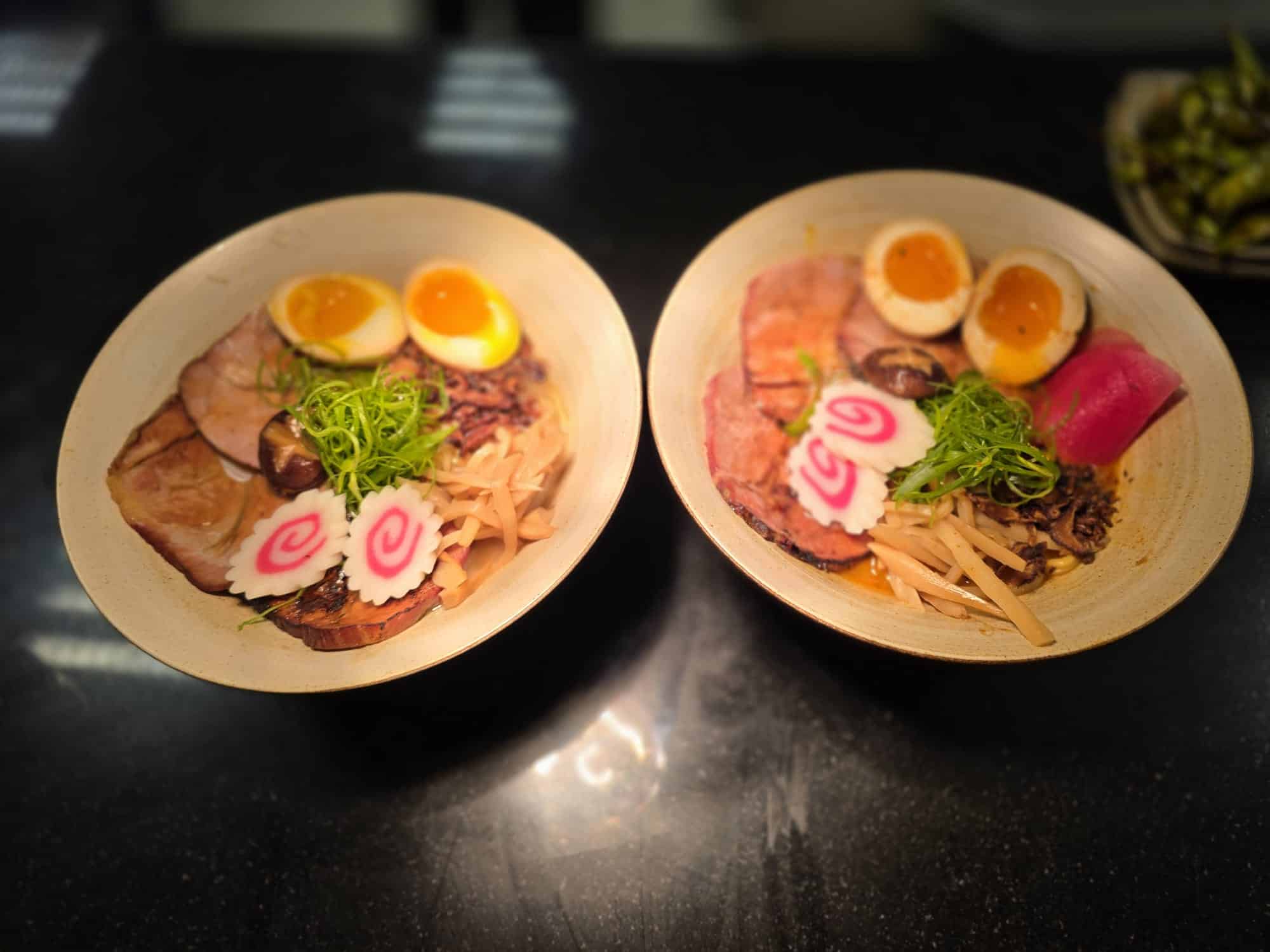
Because that’s where it actually happens — not in the visible moments, but in the repetition.
Watching Vladimir work, nothing feels rushed.
Nothing feels accidental.
Everything has a reason.
And you realise very quickly:
This didn’t happen by talent alone.
It happened because someone was willing to do the same thing — properly — for a very long time.
Which sounds simple.
Until you try to do it.
Doing what you love isn’t always exciting.
Sometimes it looks like:
• doing the same task again
• paying attention when it would be easier not to
• continuing long after it stops being interesting
And that’s the difference.
Most people are interested.
Some people are committed.
Very few stay long enough to become exceptional.
A small reality check:
It’s easy to say:
“I want to be good at something.”
It’s harder to ask:
“Am I willing to do the uninteresting part — for years?”
There’s nothing glamorous about making rice for four years.
But there is something very honest about it.
Because that’s usually what it takes — far more than people expect.
If you find yourself in Oslo, I would recommend experiencing Izakaya by Vladimir Pak.
Not because it tries to impress — but because it doesn’t need to.
More reflections on international growth, partnerships and leadership:
https://robertschur.com/insights/