
Katapult Didn’t Leave Norway — Norway Let It Go
Most countries think events are nice to have. The smartest ones understand that some of them function as infrastructure.
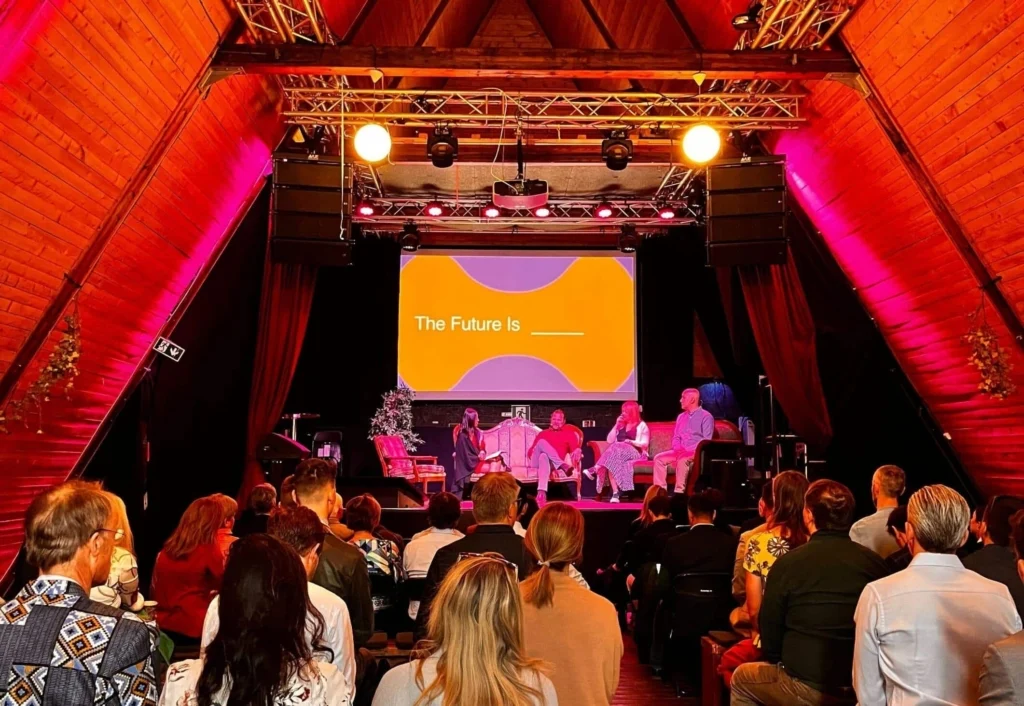
Katapult Future Fest was never just a festival. It was a platform that brought together founders, investors, family offices, operators and decision-makers from across the world — creating access, relationships and momentum that extended far beyond the event itself.
That distinction matters.
I’ve been there many times over the years and have had conversations with people around it. One thing has always been clear: this was not a local gathering. People came from different countries, sectors and backgrounds because Katapult created a rare environment where capital, technology, purpose and global networks met in one place.
And when people came, they did not simply attend and leave.
They stayed. They travelled. They experienced Norway — Bergen, Geiranger, Lofoten, Preikestolen. Hotels, restaurants, transport and international visibility all benefited. But the deeper value was not tourism alone. It was the concentration of people, relationships and decision-making power in one place.
Why This Was Bigger Than an Event
Platforms like Katapult compress time. They create conversations that might otherwise take months to happen — or never happen at all. They bring together people who would not normally sit in the same room. They create trust, visibility and access across borders. In practice, that means deal flow, capital access, partnerships and long-term positioning.
That is what I mean by infrastructure.
Not physical infrastructure, but strategic infrastructure: a platform that repeatedly attracts the kinds of people, networks and capital that strengthen a country’s international relevance over time.
The Level of People Involved
Look at the people involved: Constantijn van Oranje, Dr. Astrid Scholz, Indy Johar, Johannes Weber, Kate Raworth, Kirsten Dunlop and Willemijn Verloop. Alongside them are investors and family offices connected to some of the most influential pools of capital in the world. People like that do not show up by accident. They show up where there is value.

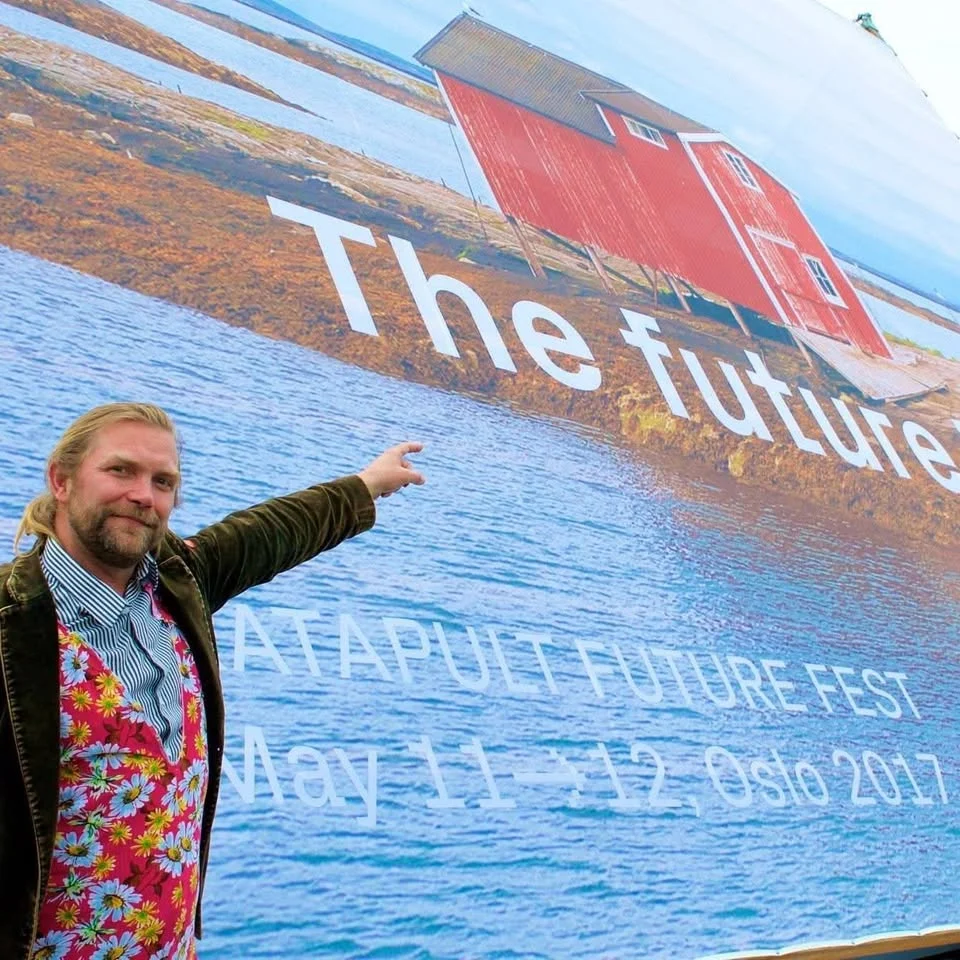
Behind it all was Tharald Nustad, who built something far bigger than an annual event. Katapult connected capital, technology and purpose in a way that gave Norway an international platform few countries are able to create.
Where It Starts to Break Down
And this is where it gets uncomfortable.
This is not about Norway lacking support entirely. There has been engagement, funding and similar initiatives over time. The issue is more subtle.
From the outside, it appears that platforms like this have not been prioritised or developed at the level their potential would suggest — whether through funding, coordination or long-term strategic focus.
That said, Norway has all the fundamental ingredients — talent, capital, credibility and international reach. The question is how platforms like this are recognised and activated when they emerge.
At the same time, other cities are moving in the opposite direction — aligning stakeholders, investing in platforms of this kind and recognising their long-term value in attracting capital, networks and international attention.
That difference in approach matters.
The Impact Investing Gap
Katapult was not lost because Norway lacked credibility, talent or natural advantages. It was lost because the platform was not fully recognised, backed or leveraged for what it had become.
Amsterdam appears to have understood that more clearly.
There is also a broader difference in how impact investing is understood across environments.
In some ecosystems, the concept is immediately recognised — not as a niche, but as a natural intersection of capital, technology and long-term value creation. That creates a very different starting point for platforms like Katapult.
In others, the understanding is still less embedded. And when that happens, it becomes harder to fully recognise, prioritise and build around platforms operating in that space.
Whether through stronger coordination, clearer positioning or a more strategic understanding of the platform’s long-term value, Amsterdam recognised the opportunity — and acted.
What Was Actually Lost
Norway did not reject Katapult outright. But it underestimated what it had until the platform was already moving.
And when platforms like this move, the loss is not only symbolic.
You lose recurring access to founders, investors and international networks. You lose the follow-on conversations, the introductions, the investor meetings, the partnerships and the long-tail international attention that comes from becoming a natural meeting point for serious global actors.
Final Reflection
That is why this matters.
Katapult did not leave Norway because it failed.
It left because another city understood its value more clearly — and treated it accordingly.
Norway did not push it out.
But it did let it go.